Plant-Based Diets 101: A Beginner's Guide to Starting a Plant-Based Lifestyle
Thinking of Switching to a Plant-Based Diet?
What Is a Plant-Based Diet?
Following a Plant-Based Diet vs. Meat: Just a Few of the Health Benefits
According to several studies, plant-based diets often provide more fiber and antioxidants than a diet that relies heavily on animal products. Plant-based diets also tend to be richer in vitamins A, C, and E, magnesium, potassium, and folate. This is due to the fact that switching to any plant-forward diet instantly ups your intake of fresh fruits and vegetables, which are loaded with nutritional value, including fiber. Following a plant-based diet has been linked to a lower risk of heart disease. What’s more, studies have indicated that vegans with vegetarians have a significantly lower chance of having high blood pressure compared to habitual meat eaters.
Plant-based diets have also been shown to lower blood sugar levels and may help lower the risk of developing type 2 diabetes. Those who switch to a plant-based way of life tend to lose weight thanks to an overall, natural caloric reduction. The list of benefits goes on and on! It is, though, extremely important to talk with your physician and get regular check-ups to make sure you’re getting the nutrition your body needs.
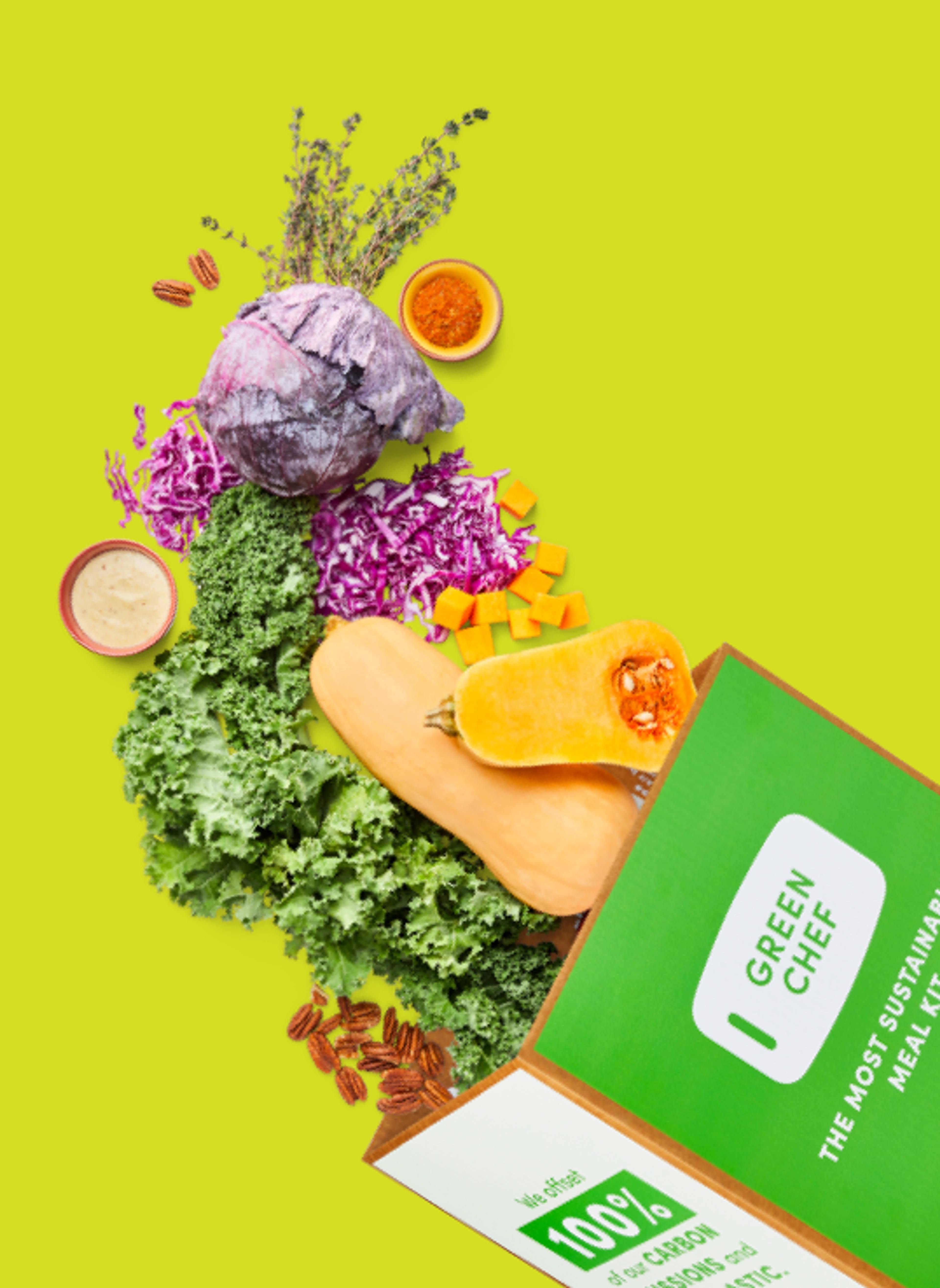
Good for the Environment: A Plant-Based Diet’s Environmental Impact
On top of doing something great for your body, eating a plant-based vs. meat-based diet comes with good benefits for the planet. By shifting focus from animal products to fruits, vegetables, legumes, and whole grains, you could help fight climate change as well as keep people healthy. Why? It is simply more sustainable! Using farmland to grow plants that produce year after year provides more product on less space than using it for meat and dairy. According to a groundbreaking study in 2018, without meat and dairy consumption, global farmland use could be reduced by upwards of 75% and still feed the world. That study also reported that even the lowest impact meat and dairy products – the organic and grass fed kind – still cause more environmental harm than the least sustainable vegetable and grain products.
The fact is, choosing a plant-forward or plant-based diet is good for you and others. Knowing that, let’s now look at the different options you have when you make the decision to start a plant-based diet.
Vegetarian, Vegan, and More: Plant-Based Diets Explained
Vegetarianism is nothing new. For centuries, countless people across the globe have adhered to a diet that focuses on fruits, veggies, grains, and legumes. The vegetarian diet definition is one that does not include (or strictly limits) the consumption of meat and poultry. To put it another way, any plant-based diet is, technically, a vegetarian diet.
Now, from there, there are several offshoots of the original idea:
Vegetarian, Vegan, and More: Plant-Based Diets Explained
Vegetarianism is nothing new. For centuries, countless people across the globe have adhered to a diet that focuses on fruits, veggies, grains, and legumes. The vegetarian diet definition is one that does not include (or strictly limits) the consumption of meat and poultry. To put it another way, any plant-based diet is, technically, a vegetarian diet.
Now, from there, there are several offshoots of the original idea:
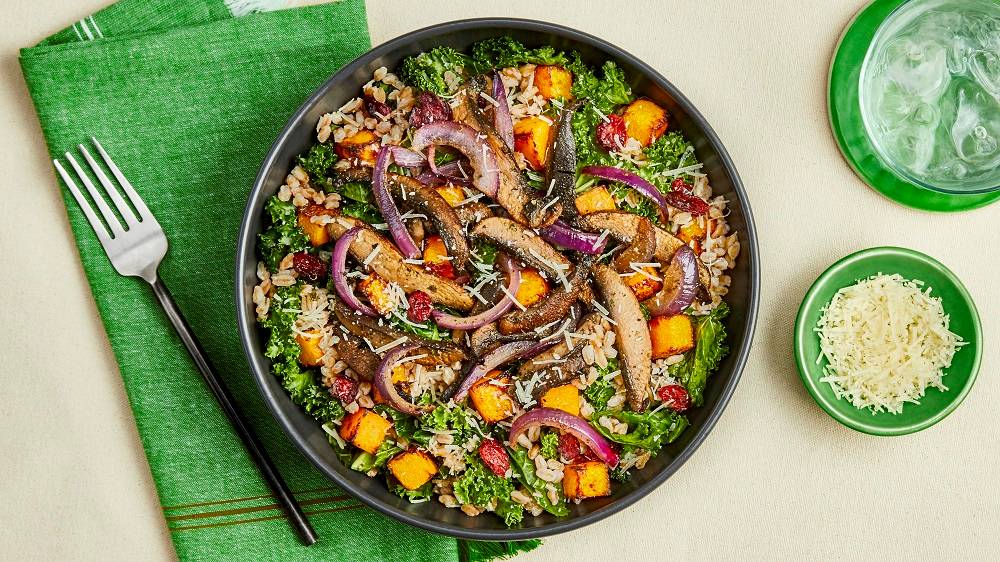
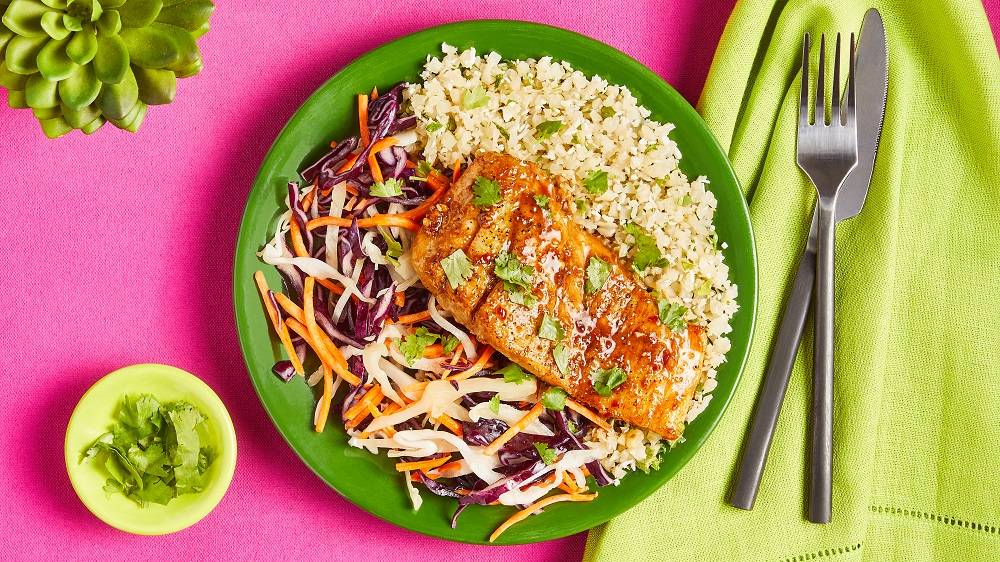
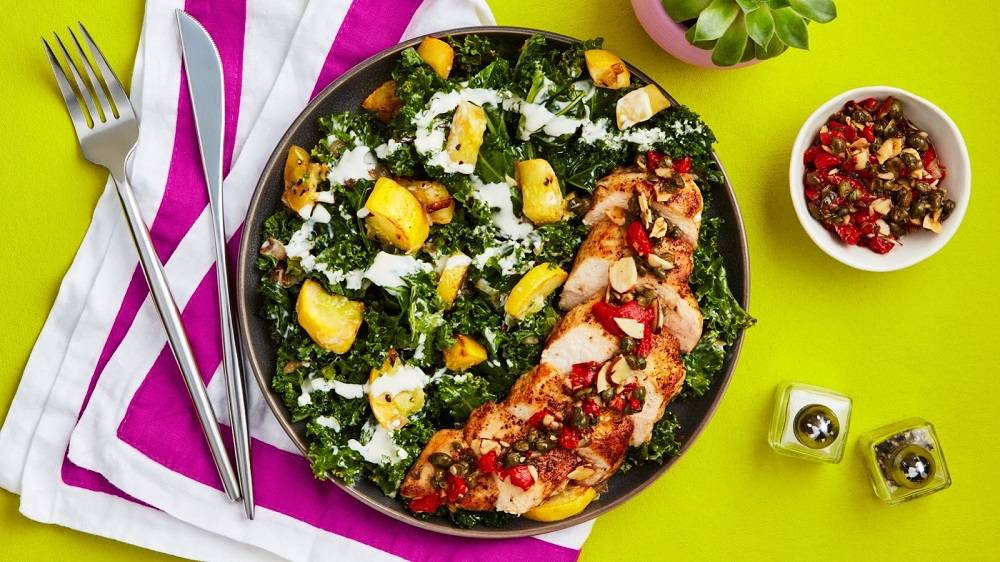
Can I Be a Vegetarian or Vegan and Do Keto or Paleo?